In What Way Does Interior Design Shape the Step We Live and Experience?
Interior design is greater than just arranging furniture and picking color schemes— it is an art kind that directly affects how we experience our living and workplace. Every room we inhabit influences our feelings, efficiency, and overall wellness. Whether we understand it or not, the way a space is developed can make us really feel comforted, invigorated, or perhaps overwhelmed. This is why interior design plays such an important function in shaping our lives.
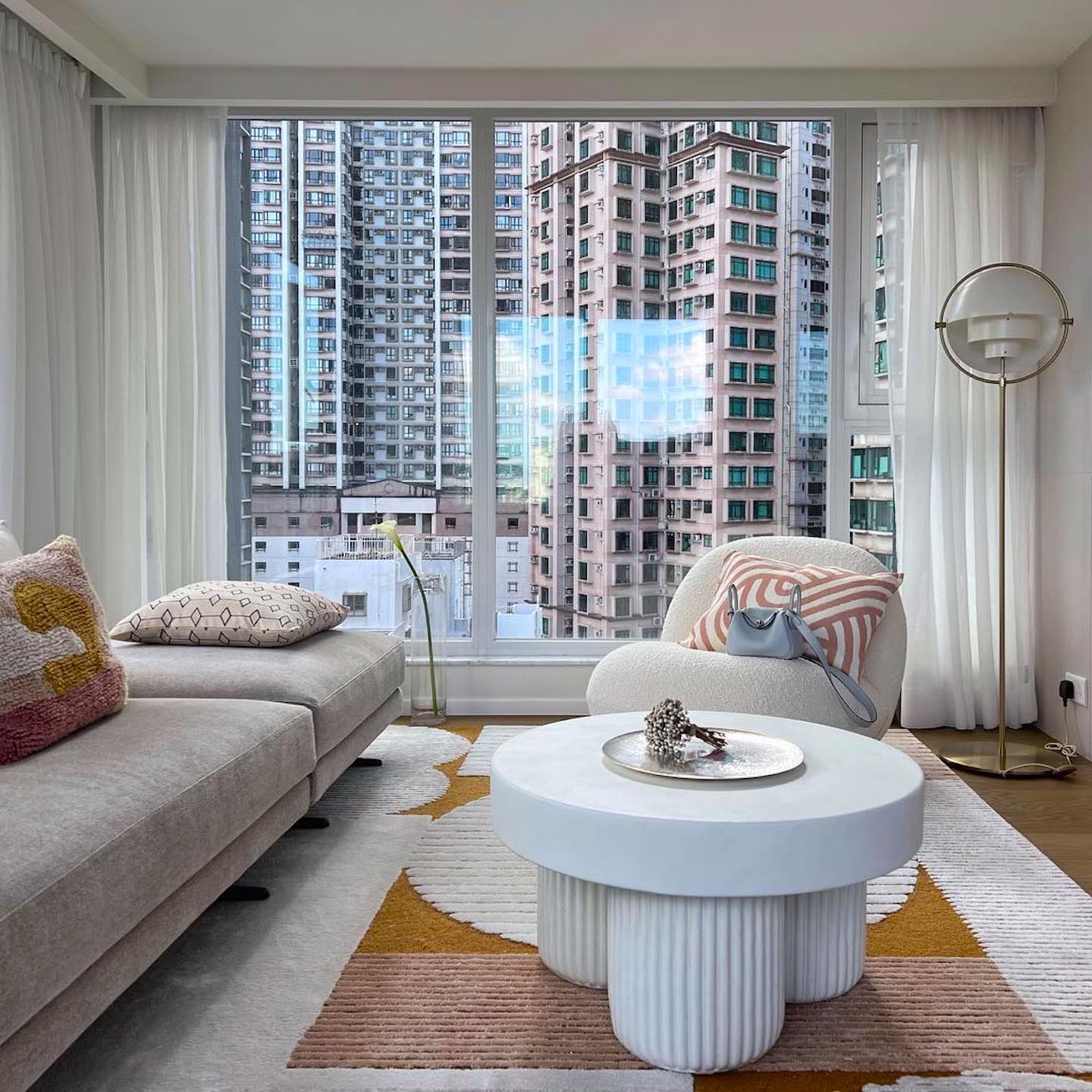 At its core, interior design is about producing areas that are both functional and cosmetically pleasing. It calls for a deep understanding of spatial preparation, color psychology, lights, and products. A properly designed space is not just visually appealing; it additionally boosts our ability to make use of the room efficiently and easily. Architects and interior designers work hand in hand to make sure that a room is maximized for the people who will certainly use it, taking into consideration everything from ergonomic furniture placement to the circulation of natural light.
The influence of interior design goes beyond straightforward design. A home created with cozy tones and soft structures can produce a feeling of relaxation and heat, while an office with an open floor plan and bright lights can promote collaboration and effectiveness. Hotels, dining establishments, and retail stores all rely on specific style approaches to influence client actions, creating environments that urge individuals to stick around, enjoy, or make purchases.
One of the most appealing facets of interior design is how it shows individuality. The options people make in designing their homes are deeply individual, affected by their experiences, culture, and also subconscious choices. Some might locate solace in minimalist aesthetics, where simplicity and decluttered rooms provide satisfaction. Others may prefer vibrant, expressive interiors full of lively colors and complex patterns that show their vibrant characters. Interior design permits people to create spaces that feel uniquely their very own while still offering sensible demands.
Sustainability has also come to be a driving force in contemporary interior design. With expanding awareness of environmental problems, developers are now including environment-friendly materials, energy-efficient illumination, and lasting furnishings into their work. The rise of biophilic layout— an idea that integrates natural environments into indoor areas— demonstrates exactly how deeply individuals long for a connection with nature, also within metropolitan environments. By incorporating HKB , all-natural structures, and natural shapes, indoor designers can produce spaces that boost health and promote a feeling of harmony in between the constructed atmosphere and nature.
The emotional impacts of interior design can not be ignored. Studies have revealed that colors can evoke specific emotional actions— blue tones can develop a relaxing result, while red can boost excitement or seriousness. HKB Design of furnishings and the presence of natural elements can affect stress levels, mood, and even cognitive function. Designers take all these elements into account when shaping environments that support mental and physical health and wellness.
Innovation is additionally changing interior design in exciting means. Smart homes equipped with automated illumination, climate control, and voice-activated systems are redefining convenience and convenience. Virtual and increased reality tools allow designers and clients to imagine rooms prior to making any modifications, ensuring that every choice aligns with their vision. The blend of technology and layout is producing endless opportunities for advancement and personalization in indoor spaces.
Eventually, interior design is not just about making spaces look eye-catching— it has to do with crafting settings that enhance human experiences. Whether via the cautious option of colors, thoughtful furnishings positioning, or the combination of lasting products, design shapes the means we live, function, and feel. As trends continue to advance and innovation advances, interior design will remain an effective device for changing normal spaces right into phenomenal ones, leaving a long-term effect on the means we interact with the world around us.