Just How Does Interior Design Forming the Way We Live and Feeling?
HKB is more than just organizing furniture and picking color schemes— it is an art form that straight influences just how we experience our living and working environments. Every area we occupy affects our feelings, efficiency, and total health. Whether we recognize it or not, the way a room is created can make us feel comforted, invigorated, or perhaps overwhelmed. This is why interior design plays such an important role fit our daily lives.
At its core, interior design is about creating spaces that are both practical and visually pleasing. It needs a deep understanding of spatial planning, color psychology, lights, and materials. A properly designed space is not just visually appealing; it likewise boosts our capacity to use the space effectively and conveniently. Architects and interior designers work together to ensure that a space is optimized for the people that will use it, thinking about whatever from ergonomic furniture positioning to the flow of all-natural light.
The effect of interior design surpasses easy design. A home developed with cozy tones and soft structures can produce a sense of relaxation and warmth, while an office with an open layout and bright lights can promote collaboration and performance. Hotels, restaurants, and retail stores all rely upon particular design approaches to influence client actions, producing environments that motivate individuals to stick around, take pleasure in, or make acquisitions.
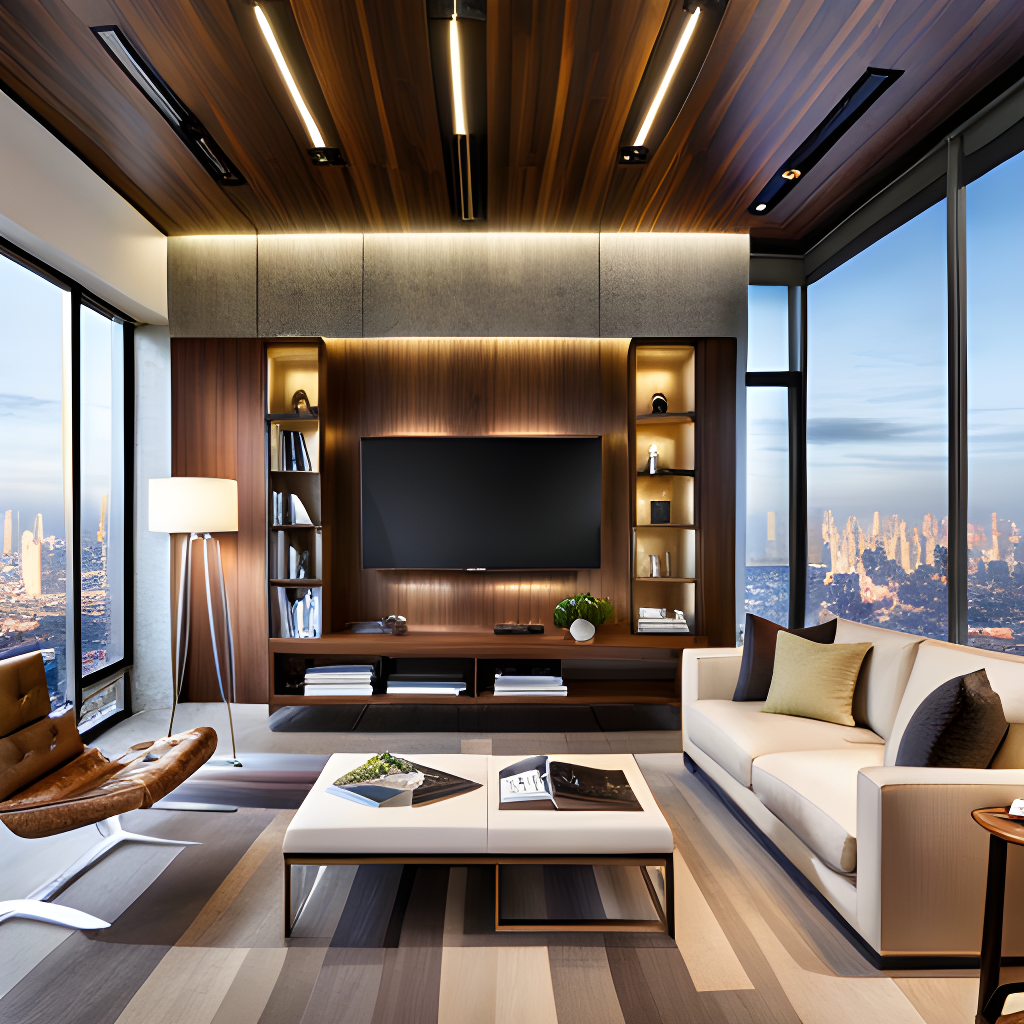 Among one of the most fascinating facets of interior design is exactly how it mirrors personal identity. The selections people make in developing their homes are deeply personal, affected by their experiences, culture, and even subconscious preferences. Some might find solace in minimal aesthetic appeals, where simpleness and decluttered areas give comfort. Others might prefer bold, meaningful insides loaded with lively colors and intricate patterns that show their dynamic characters. Heather K Bernstein Interior Design permits people to produce rooms that feel distinctly their own while still serving sensible needs.
Sustainability has likewise end up being a driving force in modern-day interior design. With growing recognition of ecological problems, designers are currently including green products, energy-efficient lights, and sustainable furnishings into their work. The surge of biophilic style— an idea that integrates natural environments right into interior spaces— shows exactly how deeply individuals crave a link with nature, even within urban atmospheres. By integrating plants, all-natural textures, and natural shapes, indoor designers can create areas that enhance wellness and advertise a feeling of consistency in between the developed atmosphere and nature.

The emotional impacts of interior design can not be forgotten. Studies have actually revealed that colors can stimulate particular emotional feedbacks— blue tones can develop a soothing impact, while red can stimulate exhilaration or necessity. The arrangement of furnishings and the visibility of natural elements can influence stress and anxiety levels, mood, and even cognitive function. Designers take all these factors into account when forming settings that sustain mental and physical wellness.
Modern technology is likewise transforming interior design in amazing ways. Smart homes equipped with automated illumination, climate control, and voice-activated systems are redefining benefit and comfort. Digital and increased truth tools enable developers and customers to envision rooms prior to making any type of changes, making certain that every choice aligns with their vision. The blend of technology and design is creating unlimited possibilities for development and personalization in indoor rooms.
Inevitably, interior design is not nearly making rooms look attractive— it has to do with crafting environments that improve human experiences. Whether with the mindful choice of colors, thoughtful furniture positioning, or the assimilation of sustainable products, style forms the means we live, function, and feel. As patterns continue to evolve and modern technology advancements, interior design will certainly remain an effective device for transforming ordinary areas into remarkable ones, leaving a lasting impact on the means we engage with the globe around us.